
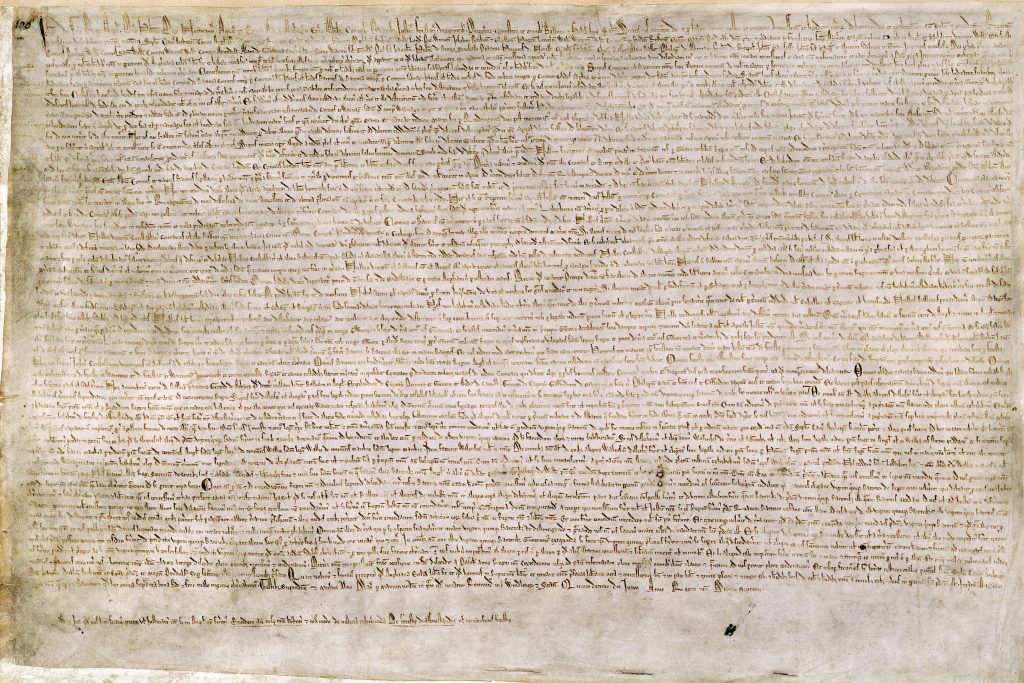
Magna Carta (Medieval Latin for “Great Charter”), occasionally spelled Magna Charta,is a royal charter of rights sealed by King John of England at Runnymede, near Windsor, on 15 June 1215.
Magna Carta (Medieval Latin for “Great Charter”), occasionally spelled Magna Charta,is a royal charter of rights sealed by King John of England at Runnymede, near Windsor, on 15 June 1215. It was initially drafted by the Archbishop of Canterbury, Cardinal Stephen Langton, to establish peace between the unpopular king and a group of rebel barons who demanded that the King affirm the Charter of Liberties. The charter promised the protection of church rights, safeguards for the barons against unlawful imprisonment, access to prompt and impartial justice, and limits on feudal payments to the Crown, to be implemented through a council of 25 barons. Neither party adhered fully to their commitments, and the charter was subsequently annulled by Pope Innocent III, which led to the First Barons’ War.
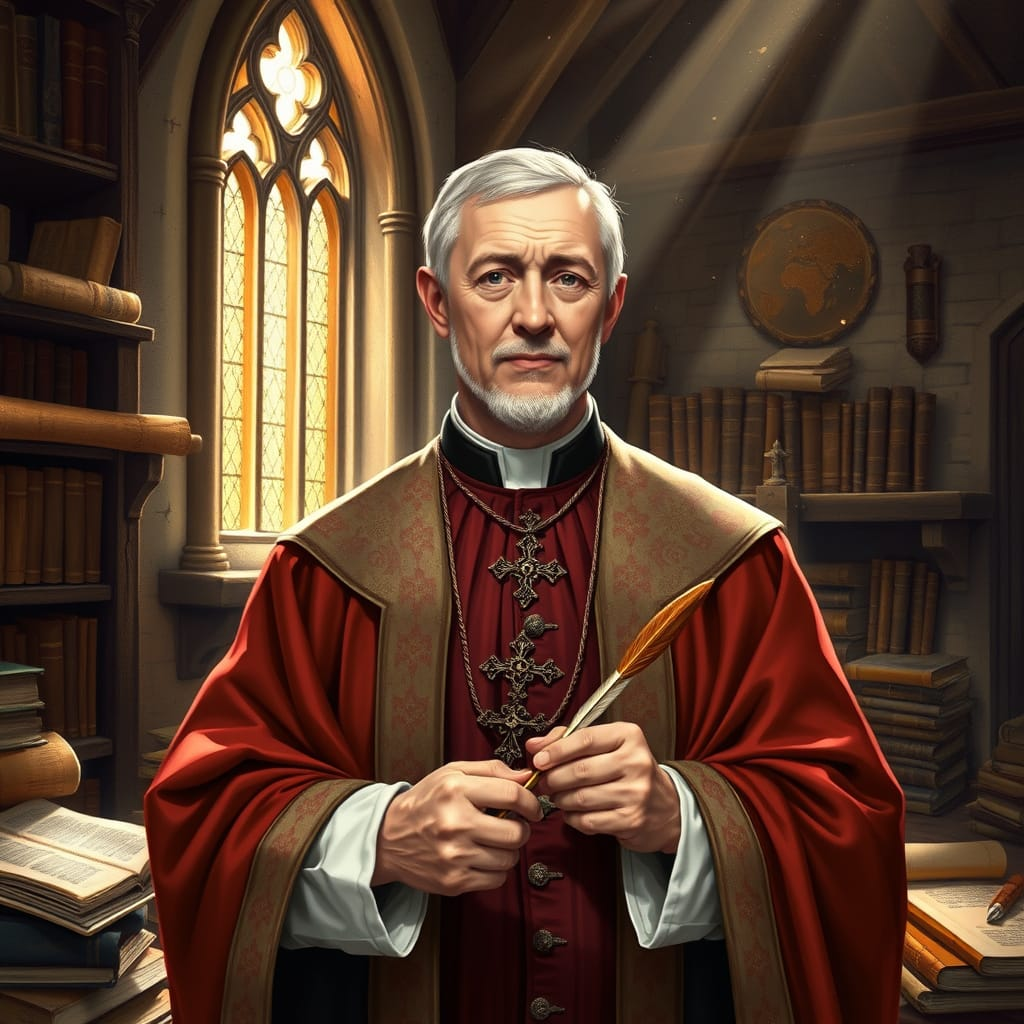
Stephen Langton (c. 1150 – 9 July 1228) was an English cardinal of the Catholic Church and served as Archbishop of Canterbury from 1207 until his death in 1228. The conflict between King John of England and Pope Innocent III regarding his election was a significant contributing factor to the crisis that led to the creation of Magna Carta in 1215. Langton is also recognised for having divided the Bible into the modern chapter arrangement widely used today.
In 2026, the Magna Carta is primarily regarded as an iconic political symbol and a fundamental benchmark for the rule of law. Rather than functioning as active legislation, it serves as a rhetorical device to limit state overreach, safeguard civil liberties, and underpin contemporary constitutional discussions in the United Kingdom. I am, as you know, currently involved in litigation with Newcastle City Council Legal Services, a Council worker, and Newcastle City Council’s Communities and Hubs services!


Rules of Sub Judice apply! The term “sub judice” is a Latin legal expression which signifies that a matter is currently under judicial review or consideration. It indicates that a case is actively being examined by the court and, as such, public discussions or commentary that could potentially influence the proceedings should be avoided.