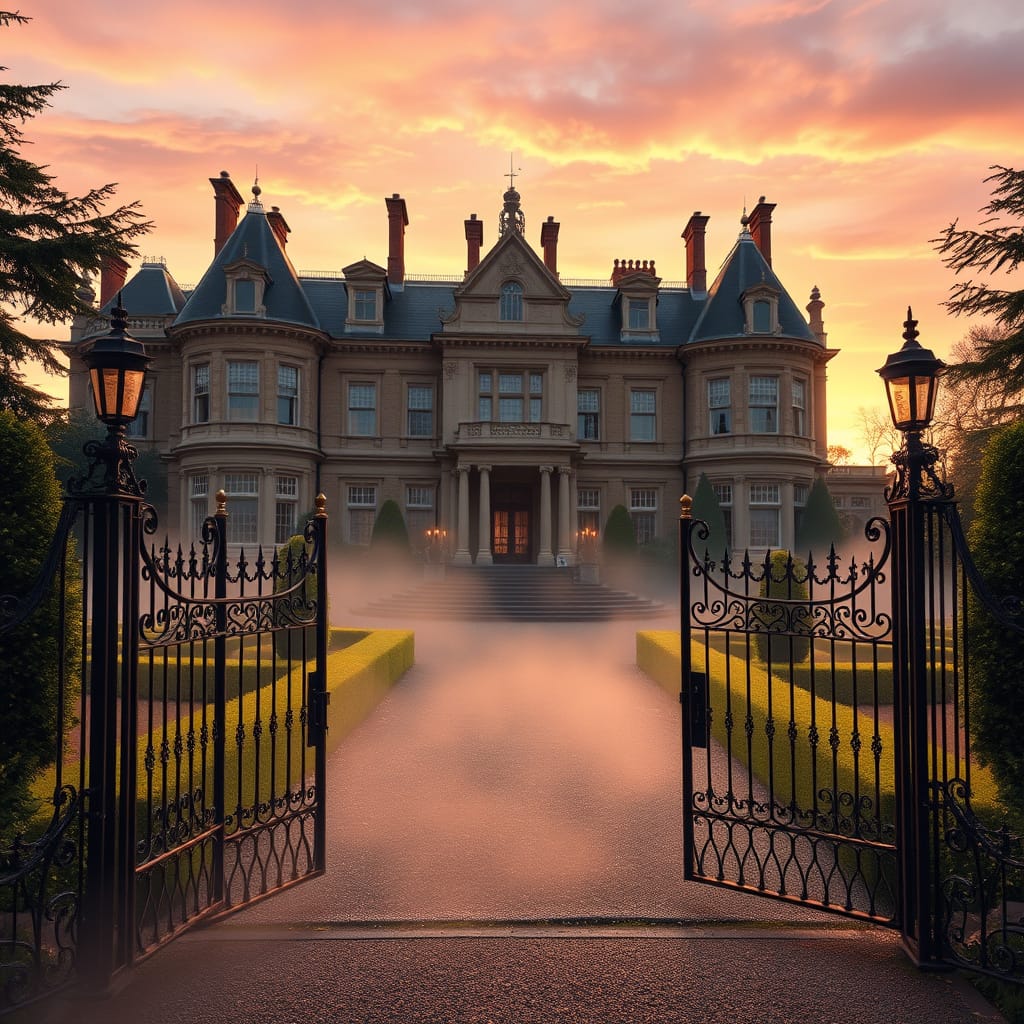
My name is Joseph Eldridge. I was born in London in 1964 to parents of African descent. Unfortunately, I did not have the opportunity to know my biological parents, as my earliest memories are of my foster carers at the children’s home where I was raised. The home was a large Victorian building managed by Jesuit priests and nuns. I was placed into care shortly after birth. Throughout my childhood, I maintained a positive outlook, enjoyed forming friendships, and derived great pleasure from attending school and participating in church activities..

At the age of thirteen, I was adopted by a practising White, English, Old Catholic family. Subsequently, I relocated to the picturesque region of West Sussex, where I successfully completed my secondary education.
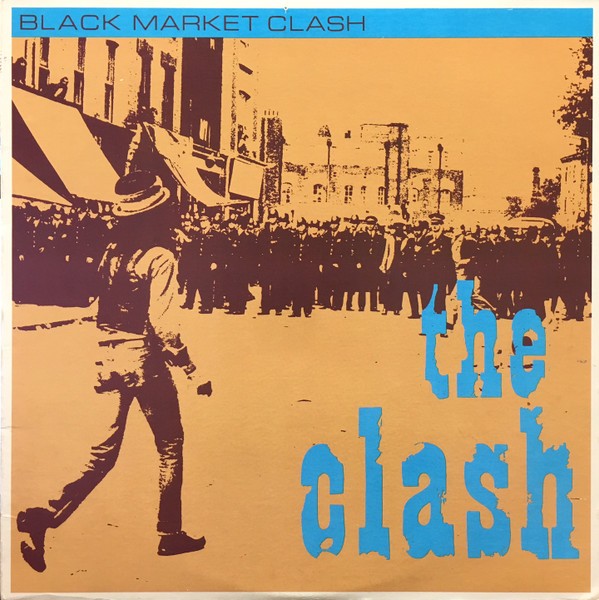
In 1981, the nation was deeply affected by the televised coverage, newspaper reports, and radio broadcasts concerning the distressing events of the Brixton Riots. As a young Black British man, I also found these events profoundly troubling; however, I was aware of the longstanding tensions between law enforcement and Black communities, particularly the Rastafarian community. These tensions were recognised as being historically rooted.

Throughout my upbringing, I was exposed to a diverse range of musical genres, including pop, punk, classical, disco, and jazz. Nonetheless, my primary musical preference was reggae, with a particular affinity for roots, dub, and a cappella styles. I would typically procure my favourite artists’ works either from my local record shop or through mail order. I possessed a considerable collection of albums and singles from renowned performers.
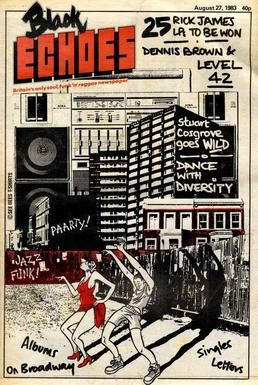
Despite residing in the picturesque West Sussex, I maintained current knowledge of developments in black music and culture by subscribing to the esteemed publication Echoes (formerly Black Echoes), a monthly magazine dedicated to soul, jazz, R&B, hip hop, and reggae. Consequently, I developed a comprehensive awareness of black culture and its societal influence.
Disorder in Brixton April 1981
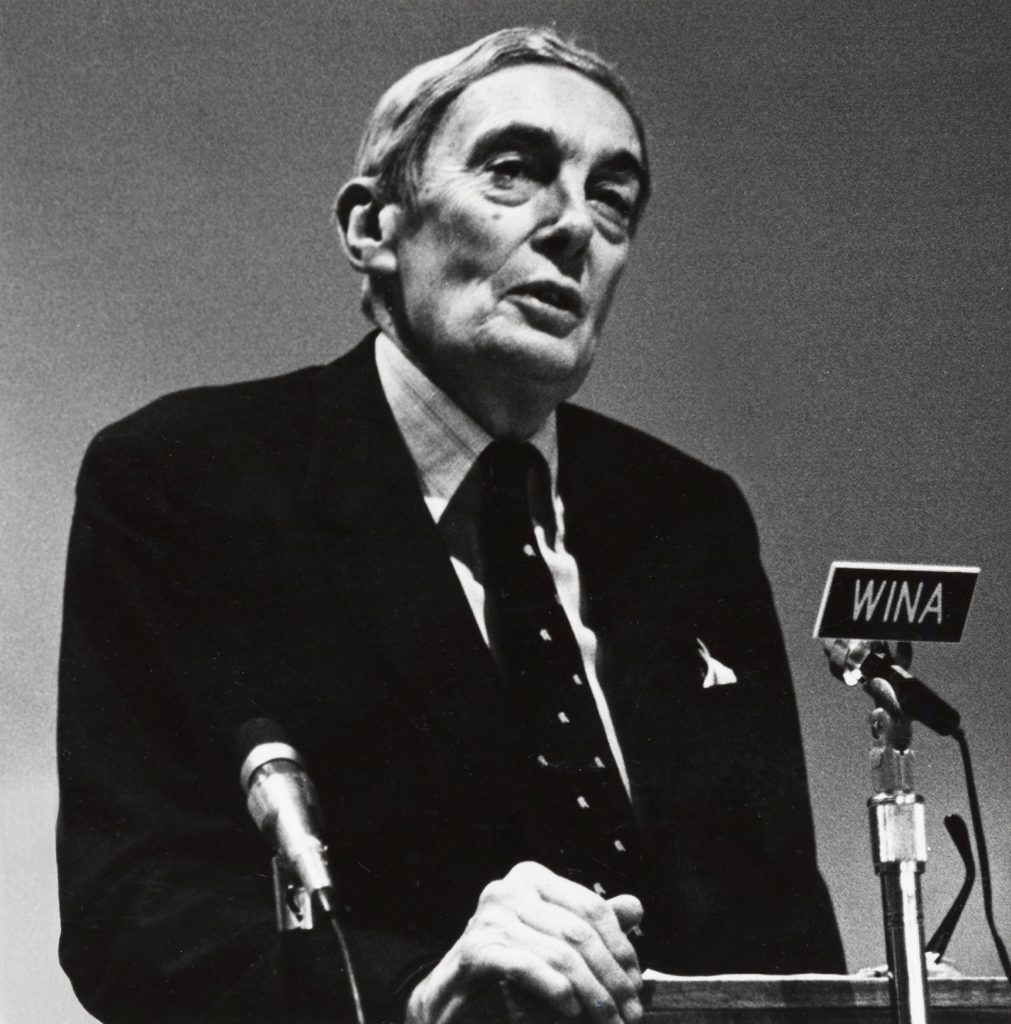
The Scarman Report was commissioned by the United Kingdom Government in response to the disturbances that occurred in Brixton in 1981. Lord Scarman was appointed by then-Home Secretary William Whitelaw on 14 April 1981, shortly after the conclusion of the incidents, to oversee the inquiry into the events. The report was subsequently published on 25 November 1981.
The scope of the inquiry was defined as: “to urgently investigate the serious disorder in Brixton from 10 to 12 April 1981 and to produce a report, with the authority to make recommendations.
The Brixton riots and the Scarman Report
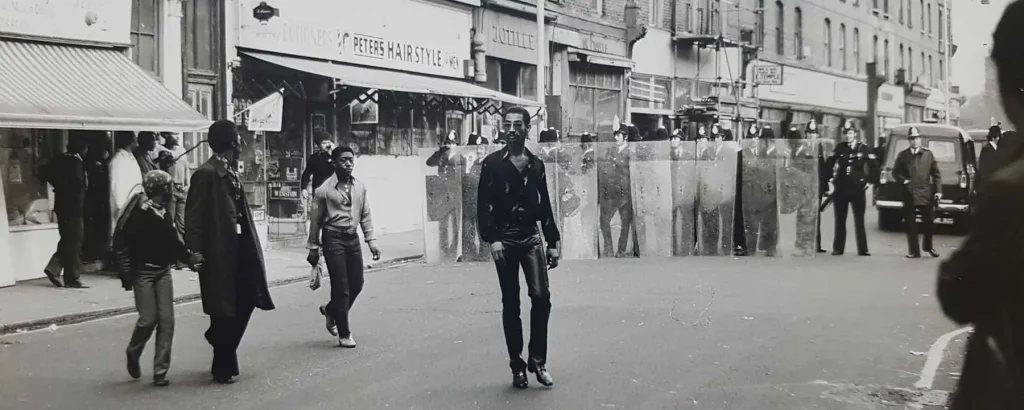
On Friday, 10 April 1981, amidst ongoing tensions between Black communities and law enforcement, rumours circulated that officers were subjecting a young Black man, who had been stabbed during an incident involving two other youths, to harassment. This information prompted a gathering of local residents, during which some objects were thrown before the crowd dispersed.
The National Archives hold the evidence and papers Scarman used to write his report. They often hold documentation like this, that contributed to the creation of official or government papers and reports. As in this case, it often contains a wealth of material that did not make it into the final documents, which can be quite revealing.
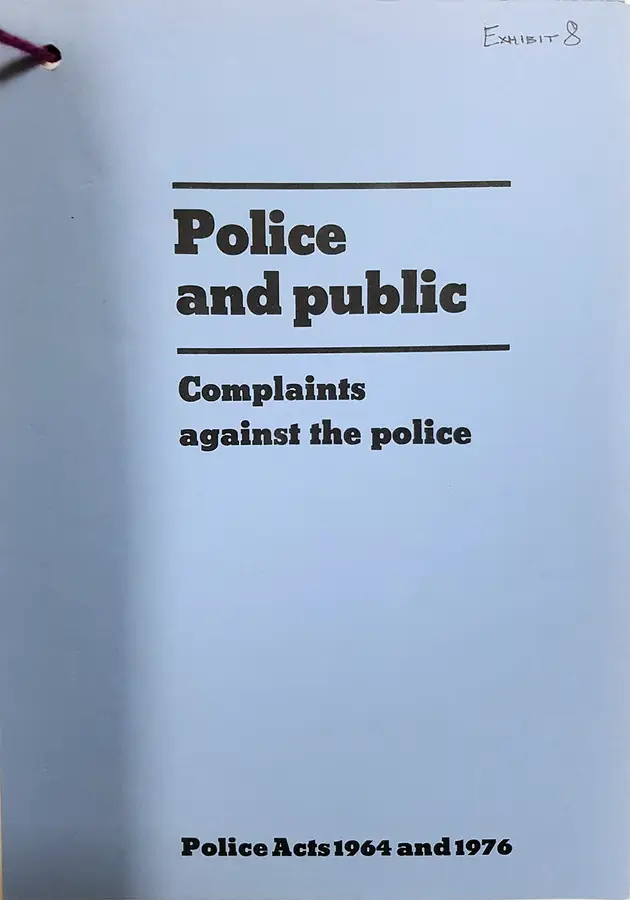
For example, the document includes a leaflet titled ‘Police and Public: Complaints against the Police’. It provides information outlining the procedure for members of the public who believe they have valid grounds to lodge a formal complaint regarding the conduct of a police officer.
This hints at one of the key causes of the disturbances, which was the provocative policing of many officers in the area, particularly under what was called ‘Operation Swamp 81.’
‘Swamp’ or ‘swamped’ was a particularly loaded term at the time, as it had previously been employed by Margaret Thatcher, then Prime Minister, to describe immigration. Used here, it suggested the policing strategy – ‘swamping’ Brixton with extra officers.
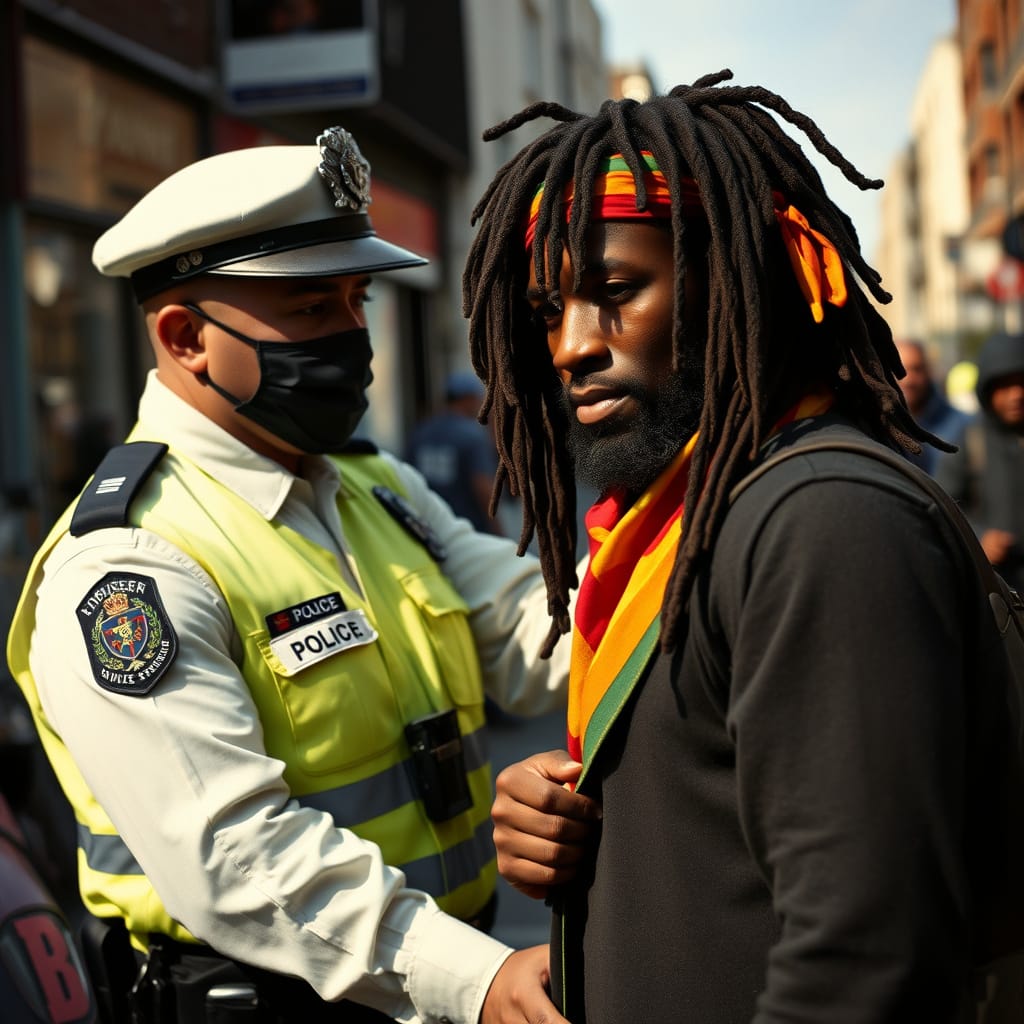
Under the campaign, law enforcement officers exercised their authority to conduct frequent stop-and-search operations on residents in Brixton. These actions were carried out under the framework of the ‘sus laws’ (short for ‘suspicious behaviour’), which originated from the Vagrancy Act of 1824 but were reactivated in the 1970s primarily to monitor inner-city youth. Such legislation permitted officers to detain individuals on the basis of suspicion that they might commit a crime, without requiring concrete evidence. In the case of Brixton, there was a disproportionate focus on young Black individuals.
CCRL sees the events of last weekend as the inevitable result of long standing and consistently provocative policing policies in the area. This combined with persistent official neglect of the community […] meant that the weekend’s violence was the only way people could express legitimate resentment at persistent injustice.
[…]
We sympathise with those in the community who have suffered through the violence and fear of the weekends events, but this is only the most publicised incident in a whole history of community suffering.
Community perspectives
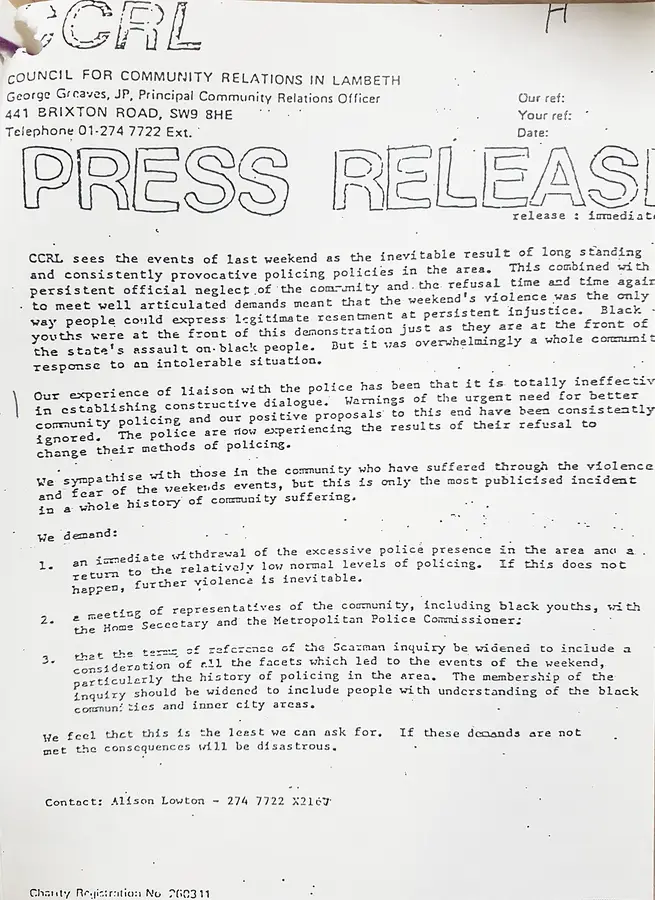
As the official archive of the UK government, The National Archives’ records tend to represent the voice of the state. However, they can contain important documents from other sources, such as those deemed relevant to investigations or inquiries at the time.
This press release from the Council for Community Relations in Lambeth offers a community perspective on what happened in Brixton:
Black youths were at the front of this demonstration just as they are at the front of the state’s assault on black people. But it was overwhelmingly a whole community response to an intolerable situation.
Our experience of liaison with the police has been that it is totally ineffective in establishing constructive dialogue. Warnings of the urgent need for better community policing and our positive proposals to this end have been consistently ignored. The police are now experiencing the results of their refusal to change their methods of policing.
[…]
We demand:
- An immediate withdrawal of the excessive police presence in the area and a return to the relatively low normal levels of policing. if this does not happen, further violence inevitable.
- A meeting of representatives of the community, including black youths, with the Home Secretary and the Metropolitan Police Commissioner.
- The the terms of reference of the Scarman inquiry be widened to include a consideration of all the facets which led to the events of the weekend, particularly the history of policing in the area. The membership of the inquiry should be widened to include people with understanding of the black communities and inner city areas. We feel that this is the least we can ask for. If these demands are not met the consequences will be disastrous.
- Press release from the Council for Community Relations in Lambeth. Catalogue reference: HO 266/89
It is important to highlight that several community organisations, including The Brixton Defence Campaign — established to support individuals detained in connection with the disturbances — chose not to participate in the inquiry. They believed that the process might be a superficial investigation, potentially exonerating the police of any misconduct, and that the evidence presented could be utilised against Black defendants.
The documentation of The Brixton Defence Campaign is preserved at The Black Cultural Archives in Brixton, serving as a reminder of the significance of consulting diverse archives to develop a comprehensive understanding of historical events.