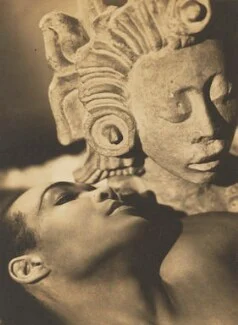
Black dancers have been an integral part of British ballet since at least the 1940s. Among the earliest were Jamaicans Berto Pasuka and Richard Riley, who trained under esteemed classical ballet instructors before establishing Britain’s first Black dance company, Les Ballets Nègres, in 1946.
Berto Pasuka arrived in Britain from Jamaica during the early years of the Second World War. He received ballet training under Anna Severskaya and Mme Verushka, and subsequently toured across Britain performing in various productions. He envisioned establishing a ballet company dedicated to showcasing Black dancers, and in 1946 he founded Ballets Nègres, comprising dancers who appeared in Thorold Dickinson’s film Men of Two Worlds.
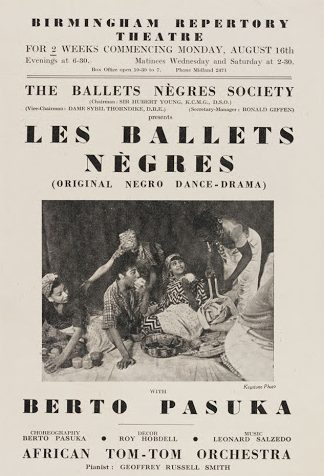

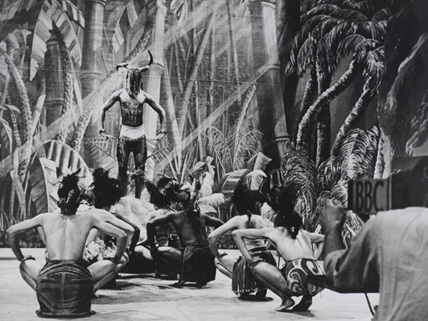
The company’s inaugural performance was held at the Twentieth Century Theatre in London, followed by a season at the Playhouse Theatre and subsequent tours across Britain, the Netherlands, Belgium, Sweden, and Switzerland. Pasuka served as the principal choreographer, engaging Roy Hobdell as designer and Leonard Salzedo as composer for the company’s original performances. The company disbanded in 1952.
Regrettably, the contributions and presence of these pioneering individuals have historically been underrepresented and insufficiently acknowledged within the United Kingdom.
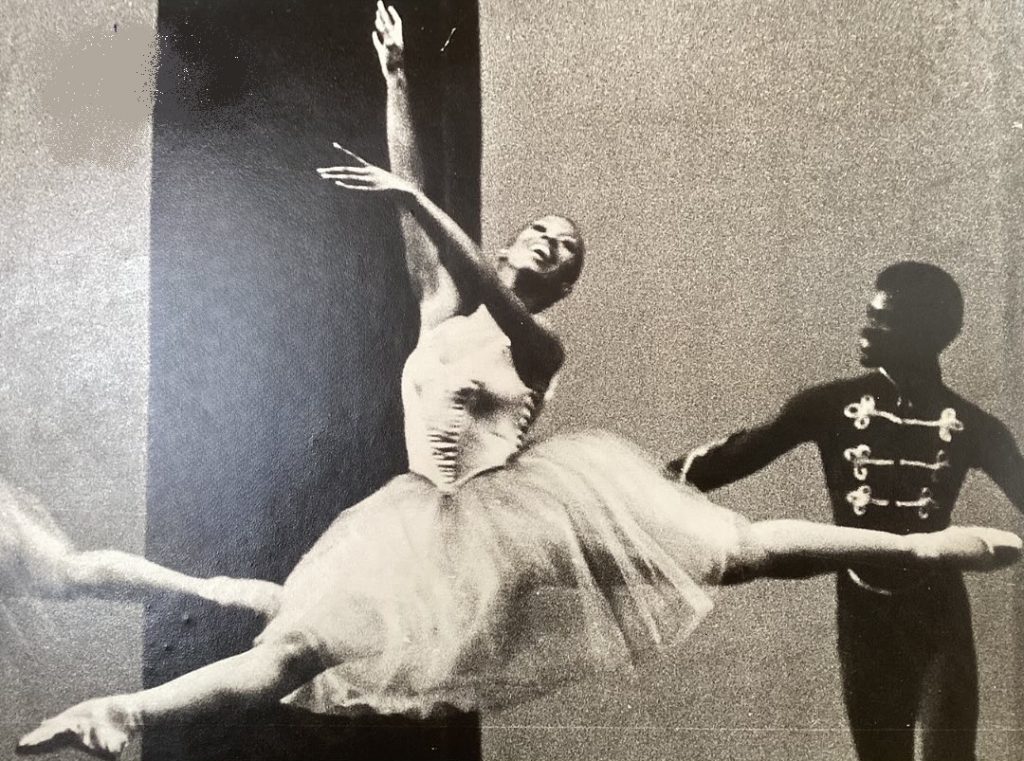
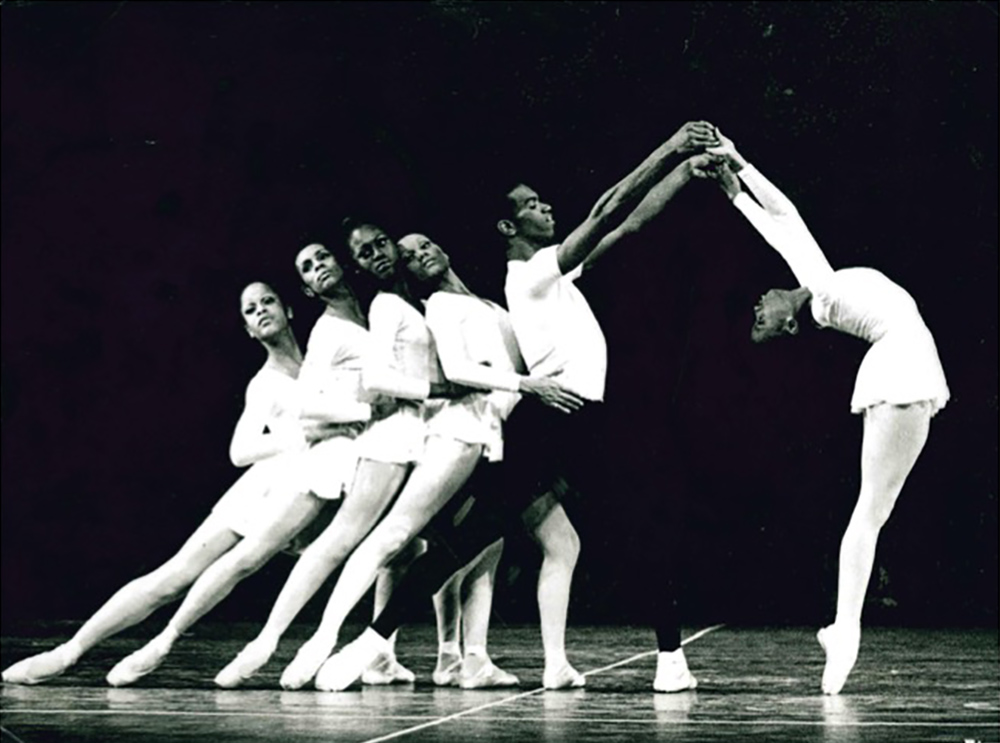
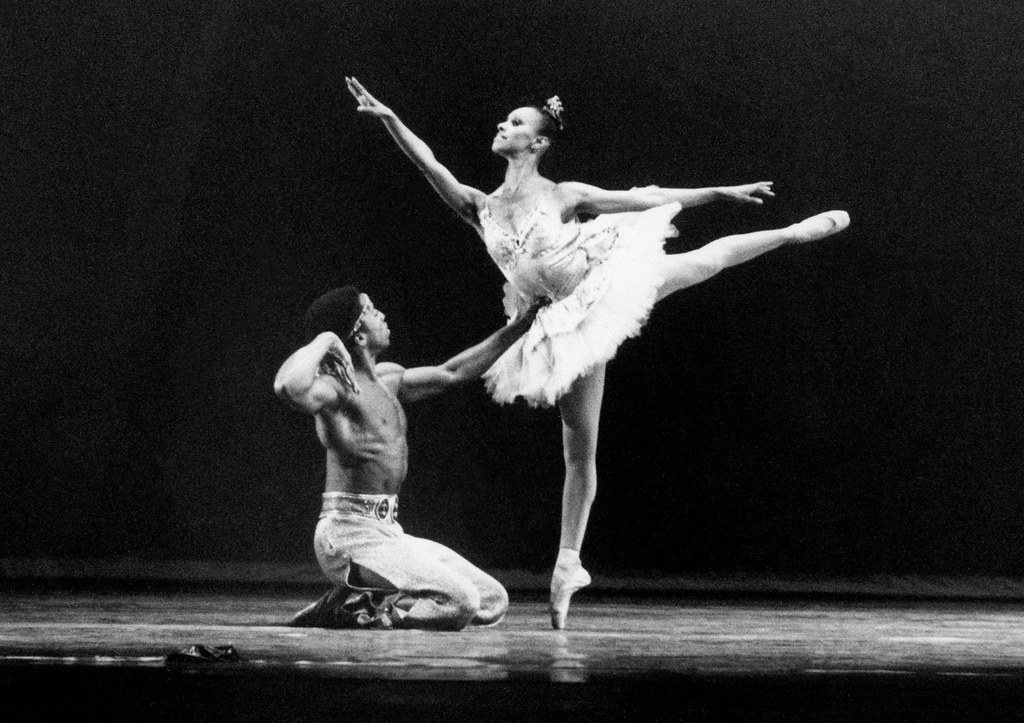
In the 1970s, as Black British dancers commenced training within established ballet institutions, some students, including Brenda Garratt-Glassman and Julie Felix, faced explicit instances of discrimination. They were directly informed by UK institutions that employment opportunities would be denied to them on the grounds of their race
During this period, the individual and many others undergoing training were compelled to pursue employment opportunities overseas, most notably at the Dance Theatre of Harlem.
Advancement of Opportunities
It was not until the mid-1980s that Black dancers began to attain positions within reputable British ballet companies, although the progress remained gradual.
This evolving landscape led to the implementation of initiatives such as The Royal Ballet’s Chance to Dance programme, launched in 1991, which aimed to enhance access to ballet for children from diverse backgrounds in London. Subsequently, the Dance Track programme was introduced at Birmingham Royal Ballet in 1997, further supporting diversity and inclusion within the field. Traditional Perspectives and Repertoire. Despite ongoing challenges related to diversity, access, and representation, debates surrounding racism within ballet continue in some circles.

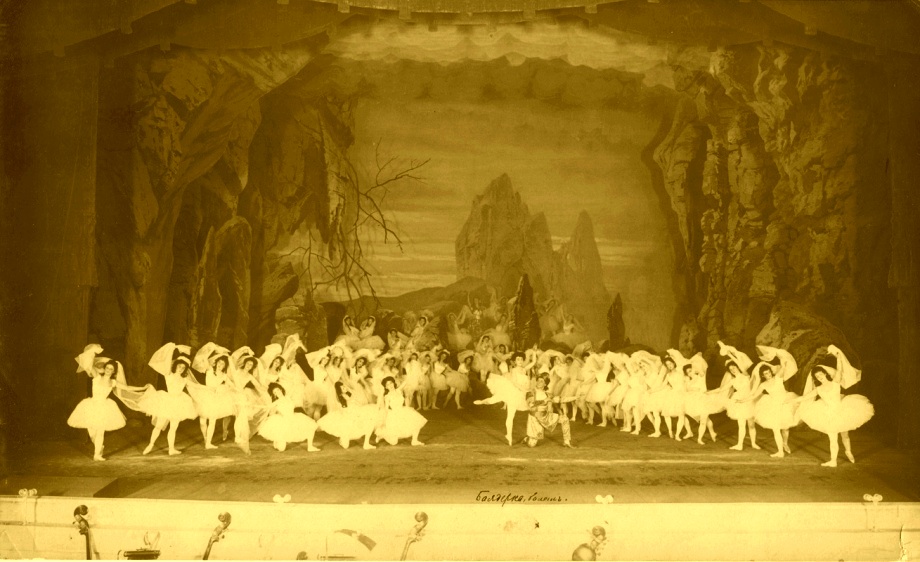
Often rooted in concerns about aesthetics and tradition, certain senior ballet professionals and advocates across Europe and beyond persist in defending historically rooted practices such as framing entire companies with all-white casts, the use of blackface, and staging productions that portray cultures of the global majority in ways that are considered culturally insensitive, as seen in works like Petrushka and La Bayadère.
While it is important to acknowledge the significant progress achieved in Britain, there remains much work to be done to sustain and amplify these advancements. The Black British Ballet project, initiated by Oxygen Arts, makes a valuable contribution to this ongoing endeavour by highlighting and re-centering the experiences of Black individuals in British ballet, broadening audience diversity, and inspiring young Black dancers to view ballet as an inclusive art form for them.
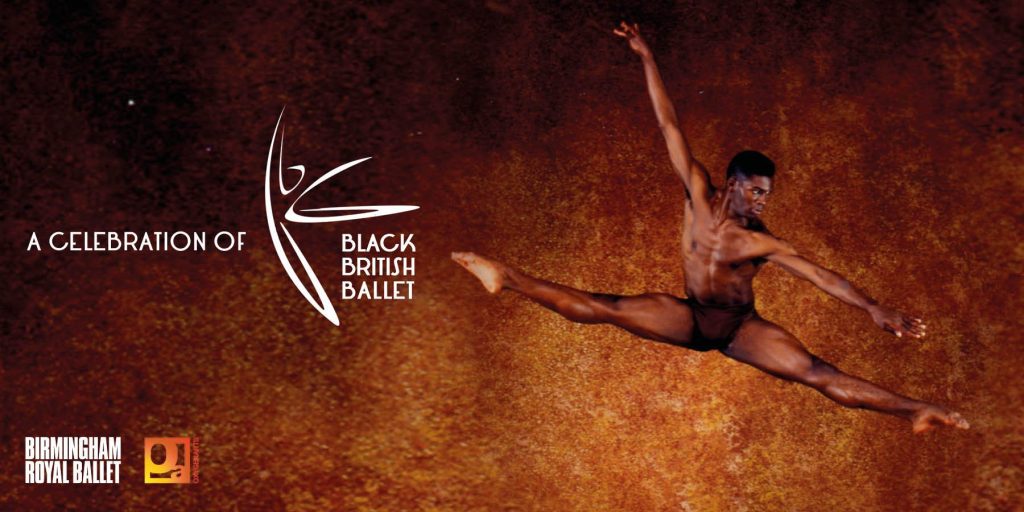
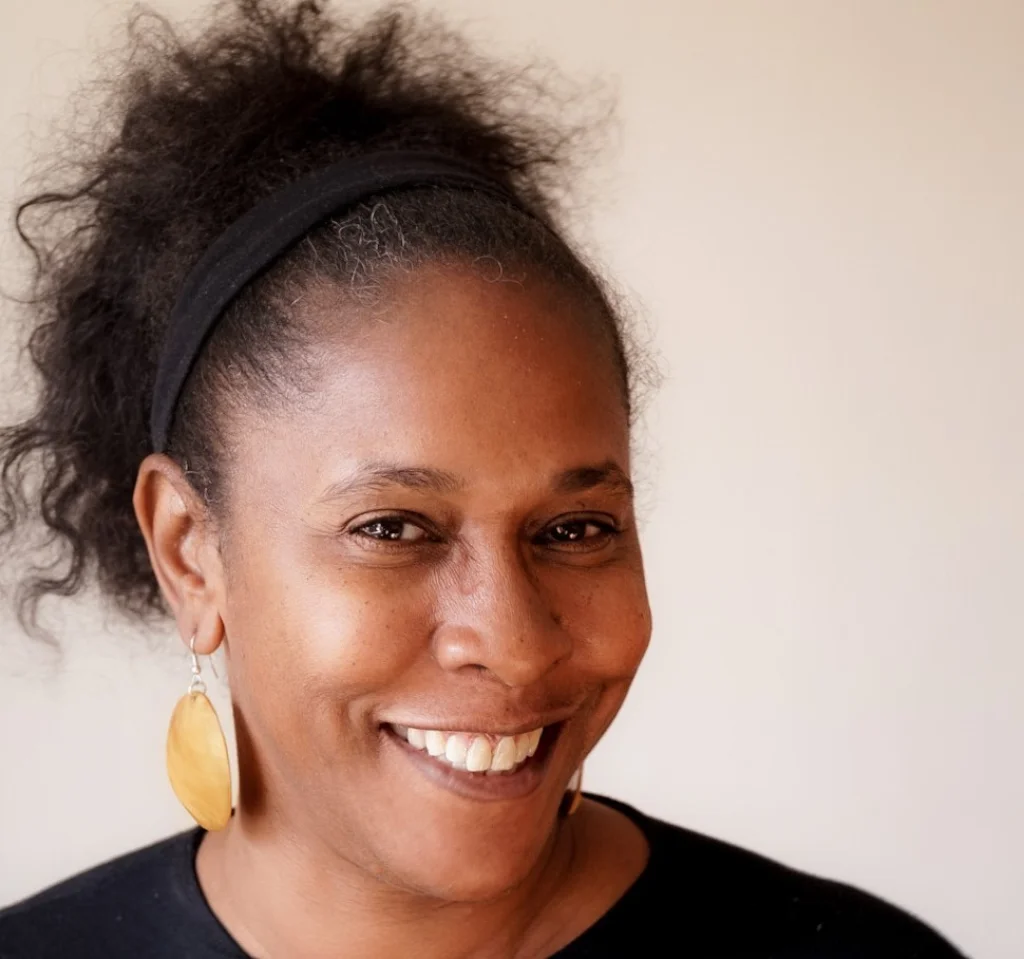
The Black British Ballet Project seeks to honour and chronicle the careers of Black dancers and choreographers within the realm of British ballet. Building upon the doctoral research conducted by Dr Sandie Bourne, this project aims to interview all Black British ballet professionals from the past hundred years, with the objective of producing a documentary film and developing a dedicated website. These platforms will serve to highlight their contributions, achievements, and professional journeys.
;