Novacastrian Mundi Supports The Role of The UK Privy Council
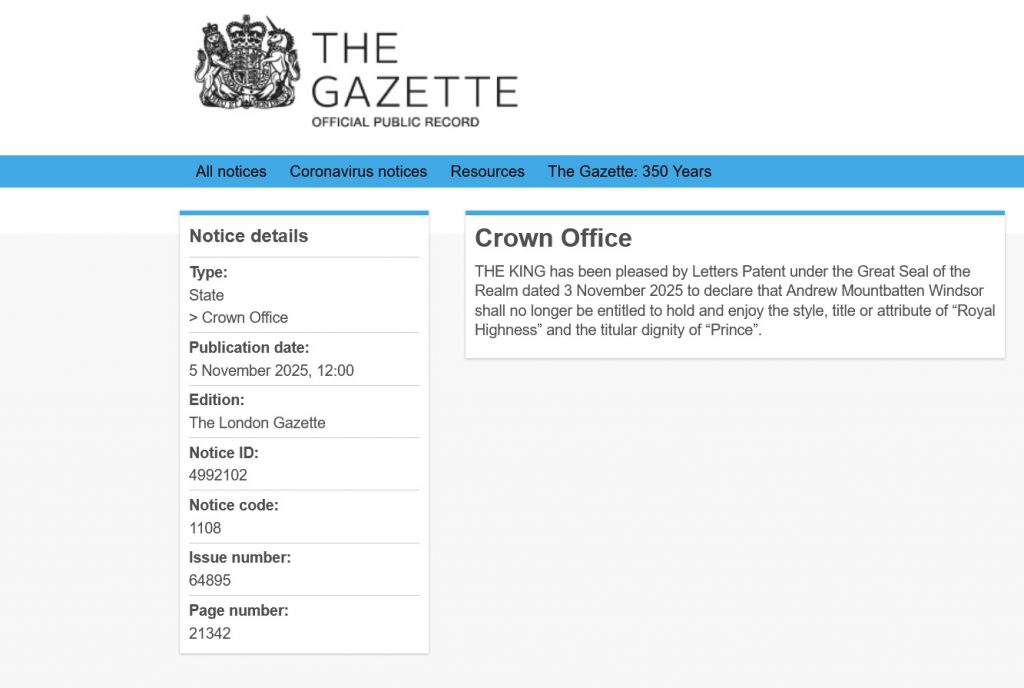
Novacastrian Mundi affirms the importance of the UK Privy Council based on well-founded and legitimate reasons. Recent developments, which have heightened public attention and scrutiny regarding the British Monarchy, have understandably led to ongoing discussions and inquiries concerning it’s roles and responsibilities. As a British citizen born in the United Kingdom, I have had the opportunity to observe the coverage of these matters through various international media channels. The Privy Council continues to exemplify its core fundamental principles through its actions and governance.
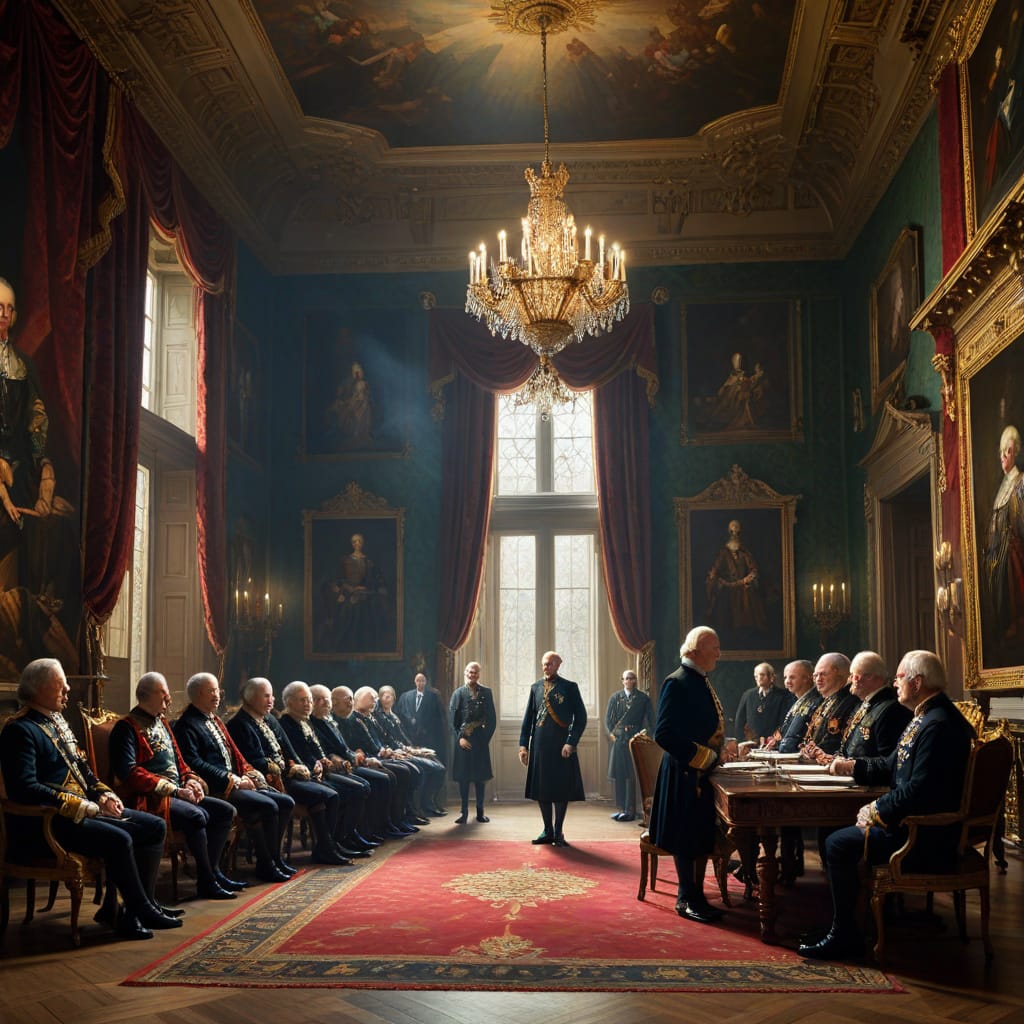
The primary function of His Majesty’s Most Honourable Privy Council of the United Kingdom is to provide counsel to the Sovereign regarding governmental affairs and to formally endorse Orders in Council and Royal Proclamations. Additionally, it acts as a constitutional mechanism facilitating interdepartmental consensus on matters of national importance, supervises the regulation of chartered organisations, and its Judicial Committee serves as the final court of appeal for selected Commonwealth nations, UK overseas territories, and Crown Dependencies.

Historically, the Privy Council comprised a small advisory group to the Monarch; however, it has since expanded to include over 750 members, including current and former cabinet ministers.
The Privy Council Core Fundamental Principles
Oversight of University Governance:
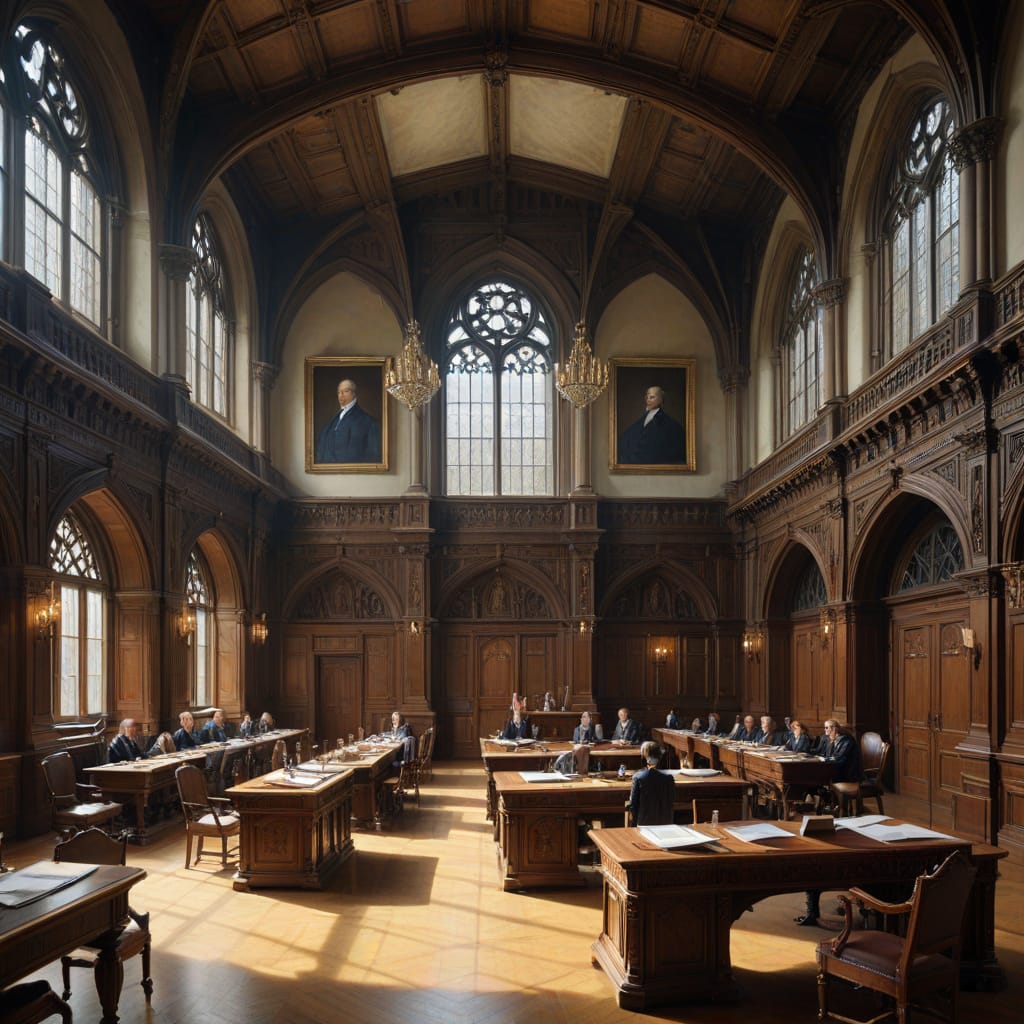
Participating in the governance frameworks of universities established before 1992 and endorsing amendments to statutes of post-1992 universities in Scotland and Wales. Providing advisory support to the Sovereign: Assisting the Monarch in official duties, including the sanctioning of Orders in Council and Royal Proclamations, which possess legal authority.
Serving As a Constitutional Conduit
Facilitating agreement among ministers on government business traditionally managed by Privy Counsellors. Regulating chartered organisations: Approving modifications to the governance structures of chartered bodies, thereby supporting policy implementation across sectors such as finance and healthcare.
Judicial functions: The Judicial Committee acts as the highest appellate authority for numerous Commonwealth countries, UK overseas territories, and Crown Dependencies.
The Privy Council has not been the primary body involved in the formal removal of Andrew Mountbatten Windsor’s titles and privileges. The decision was made by King Charles III, who used the royal prerogative to initiate a formal process to remove his brother’s titles and honours.
The formal mechanism for this removal involves:
- The King sending Royal Warrants to the Lord Chancellor (currently David Lammy) to officially remove the titles of Prince, Duke of York, Earl of Inverness, Baron Killyleagh, the style “His Royal Highness”, and honours such as the Order of the Garter.
- The government was consulted and supported the decision to avoid the need for potentially complex and time-consuming legislation in Parliament.
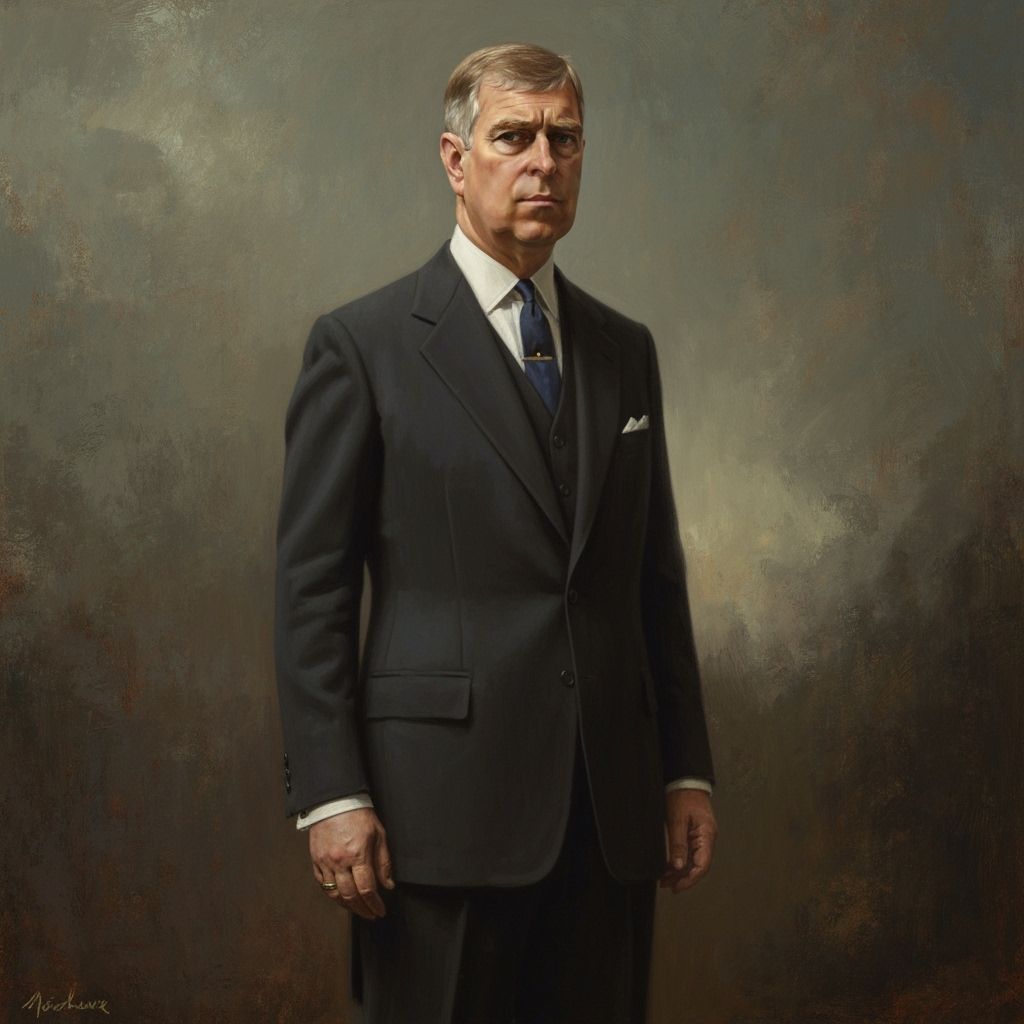
Private citizen known as Andrew Mountbatten Windsor had already voluntarily stopped using his military titles, royal patronages, and “His Royal Highness” style in an official capacity in 2022. The King’s recent action represents a formal, permanent removal of these remaining titles and privileges, effectively reducing Andrew to a private citizen known as Andrew Mountbatten Windsor
https://researchbriefings.files.parliament.uk/documents/CBP-7460/CBP-7460.pdf